
Hempcrete Blocks vs. Brick: Weight, Insulation & Installation
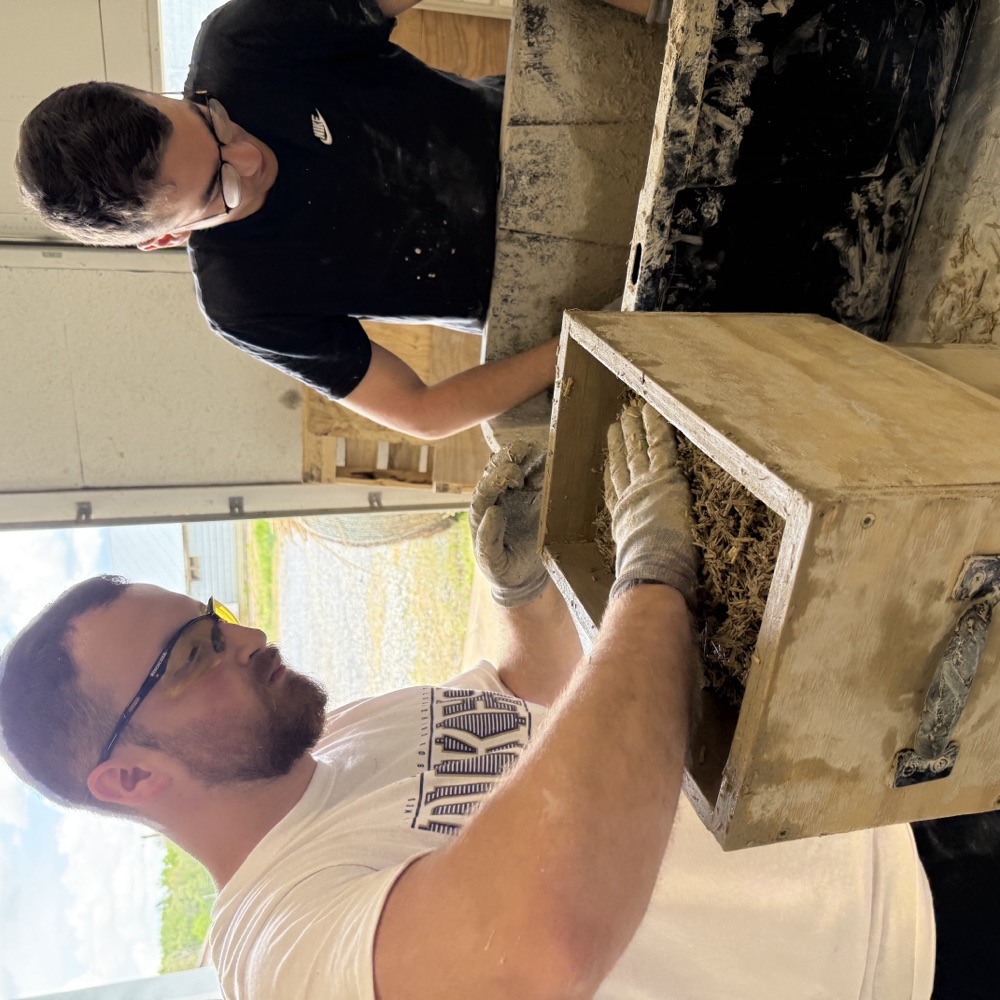
Brick has been a standard building material for centuries. It is familiar, durable, and widely available. Hempcrete blocks are newer to most U.S. builders, but they offer a different approach to creating an insulated, breathable wall system.
The important thing to understand is that brick and hempcrete do not do the same job. Brick can serve as a structural masonry material or exterior veneer, while hempcrete is a non-load-bearing infill installed with a structural frame. For builders comparing wall systems, the right decision comes down to the project’s structural needs, insulation strategy, installation approach, and long-term performance goals.
Pure Industrial’s hempcrete blocks are made with hemp hurd, lime binder, and water. They are designed for use within wood or steel framing systems, creating lightweight wall assemblies that contribute insulation and vapor permeability.
What Brick Does Well
Brick remains a practical choice for projects that need a durable masonry finish, a traditional appearance, or a load-bearing wall system designed around masonry construction.
Its density and compressive strength make brick useful for foundations, retaining walls, below-grade applications, and structural masonry assemblies. Brick can also be an excellent exterior finish when paired with a properly designed drainage plane, insulation layer, and structural wall behind it.
Brick alone, however, is not an insulating wall system. Modern brick assemblies typically rely on cavity insulation, exterior insulation, or interior framing to meet energy-performance requirements. In most cases, the structure, insulation, drainage, and brick finish are separate components of the completed wall.
What Hempcrete Blocks Do Differently
Hempcrete blocks are designed to help create a continuous insulating layer within a framed wall. They are lightweight, vapor-permeable, and non-load-bearing, which means they work with wood or steel framing rather than replacing it.
A hempcrete block wall does not eliminate the need for good building-envelope design. Wall thickness, block density, framing, finishes, weather protection, air sealing, and local code requirements all affect the performance of the completed assembly.
What hempcrete can do is simplify the insulation role of the wall. Instead of adding a separate cavity-insulation product behind a brick finish, the hempcrete block itself becomes part of the insulated building envelope.
For a closer look at why insulation performance should be evaluated as a complete assembly rather than a single number, explore Pure Industrial’s guide to hempcrete R-value and whole-wall performance.
Weight and Installation Considerations
One of the most noticeable differences between hempcrete blocks and brick is weight. Brick is dense and requires crews to handle many small units across the course of a project. Hempcrete blocks are substantially lighter, which can make handling, cutting, and above-grade installation more manageable.
Hempcrete blocks are also larger than standard bricks, so installers place fewer units across a wall area. That does not mean hempcrete is universally faster on every project. Crew familiarity, wall geometry, framing details, weather conditions, finishing requirements, and material availability all affect installation time.
For a framed project where insulation is already part of the scope, larger and lighter blocks can offer a practical alternative to building a separate framed, insulated, and brick-veneer assembly.
Insulation Is a Wall-System Question
Comparing hempcrete blocks and brick only by material thickness can be misleading. Brick, hempcrete, framing, insulation, air sealing, finishes, and thermal bridges all contribute to how a wall performs.
Hempcrete is valued for contributing insulation throughout the infill portion of a wall while helping create a vapor-open assembly. Brick walls can also perform well, but they typically depend on separately designed insulation and moisture-management layers.
The better question is not whether one material is always better than the other. It is whether the entire wall system fits the building’s design, climate, budget, construction method, and performance goals.
For projects considering hempcrete, builders should review the exact block specifications and proposed wall assembly rather than relying on a generic R-value claim.
Moisture, Vapor Permeability, and Wall Detailing
Hempcrete is vapor-permeable, which means it can be part of a wall assembly designed to manage moisture movement without trapping vapor inside the wall. This can be especially useful in assemblies that use compatible lime or clay plasters and are detailed to stay protected from bulk water.
Brick is also used successfully in high-performing wall systems, but it requires proper drainage, flashing, ventilation, insulation, and moisture-control detailing. Neither material removes the need for thoughtful building-envelope design.
Hempcrete should not be used below grade or in constant contact with standing water. Brick, concrete, and other conventional masonry materials remain the appropriate choice for foundations, retaining walls, and other applications exposed to persistent ground moisture.
Building Codes and Hempcrete Construction
Hempcrete is not simply an experimental material without a code path. The 2024 International Residential Code Appendix BL for hemp-lime construction establishes requirements and limitations for hemp-lime construction in the IRC.
That does not mean every project is automatically approved everywhere. Building-code adoption and enforcement happen at the state and local level, and individual project requirements can vary by jurisdiction.
Before specifying hempcrete blocks, builders and property owners should confirm the applicable local code, project type, structural design, fire requirements, and approved wall assembly. Pure Industrial’s overview of how hemp building codes work in the U.S. is a useful starting point for understanding that process.
When Brick Makes More Sense
Brick may be the better fit when a project requires a load-bearing masonry wall, a foundation or below-grade assembly, a specific historic or architectural finish, or a wall system already designed around conventional masonry construction.
Brick is not obsolete. It is a proven material with a clear role in construction. The question is whether it is the right material for the insulated above-grade wall assembly being considered.
When Hempcrete Blocks Make More Sense
Hempcrete blocks may be worth considering when a project needs:
- A non-load-bearing infill within wood or steel framing
- A lightweight wall material that contributes insulation
- A vapor-permeable assembly with compatible finishes and weather detailing
- A natural alternative to conventional cavity-insulation systems
- A wall system built around the specific performance requirements of the project
Build With Materials Grown and Processed in Virginia
Pure Industrial is built around a simple idea: industrial hemp should be more than a raw crop. We grow and process hemp in Virginia, then turn the plant into practical materials for construction, animal bedding, and manufacturing.
Whether you are comparing wall systems for a home, renovation, commercial project, or specialty build, our team can help you explore handcrafted hempcrete blocks and bulk hemp hurd, understand hempcrete insulation performance, and make sense of the current hemp construction code path.
Our work also comes from the same Shenandoah Valley hemp roots as Pure Shenandoah, the family-operated company that helped build the agricultural and processing foundation behind Pure Industrial.