
Hemp Building Codes in the U.S. : How Hemp Construction Is Becoming a Real Option
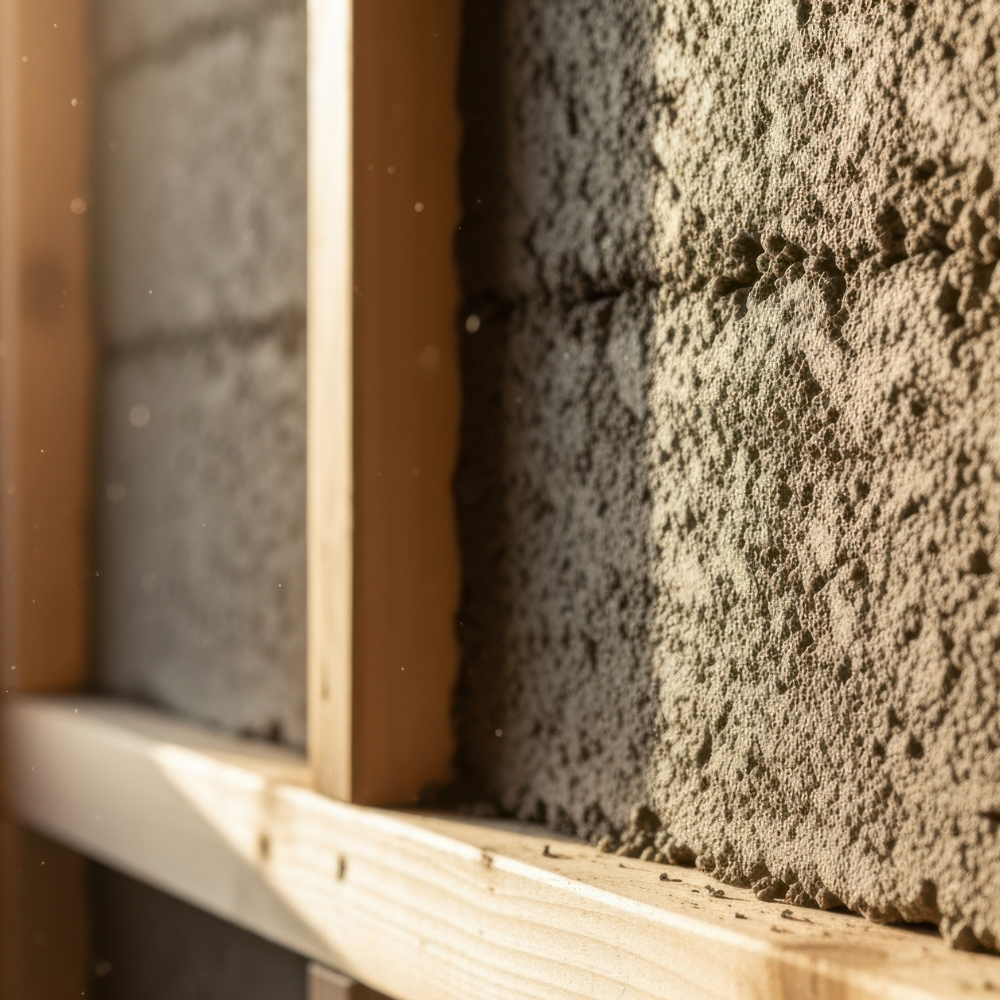
For a long time, hemp has existed in two different conversations. On one side, it has been fully legal to grow across the United States since the 2018 Farm Bill. On the other, using hemp in construction has felt uncertain—not because of performance, but because of whether it could actually be approved.
The hesitation has never really been about whether hemp works. It has been about whether it fits into the system that governs how buildings are designed, approved, and constructed. In the United States, that system is built on codes, and until recently, hemp simply wasn’t written into them.
That’s what is starting to change.
Why Building Codes Have Been the Real Barrier
When people hear that hemp is legal, it’s easy to assume that means it can be used freely in construction. In reality, construction operates within a much more structured framework.
Every material used in a building must meet clearly defined standards. These codes determine what inspectors approve, what builders can confidently specify, and how projects move forward without delays. Organizations like the International Code Council play a central role in shaping these frameworks across the country.
Hempcrete—also known as hemp-lime—has been used successfully in other parts of the world, but U.S. building codes were never originally designed with it in mind. That gap has created friction, slowing adoption even as interest continues to grow.
What It’s Like to Build Without Code Recognition
When a material isn’t included in building code, the process becomes more complex than it needs to be. Builders are often required to explain and justify their approach at every stage, while inspectors are left evaluating something without a standardized reference point.
Even when there is openness to new materials, the lack of a defined framework introduces uncertainty. That uncertainty quickly turns into risk, especially on projects where timelines, budgets, and approvals all depend on consistency.
As a result, projects can take longer, costs can increase, and outcomes can vary depending on location and interpretation. Instead of being treated as a standard building material, hempcrete has historically been treated as an exception.
What Changed: The Introduction of Appendix BL
A major shift came with the 2024 International Residential Code (IRC). For the first time, hemp-lime construction was formally introduced through Appendix BL, which outlines how hempcrete can be used in residential buildings with clear, enforceable guidelines.
This development is significant because it provides a shared reference point. Builders now have a defined process to follow, and inspectors have a standard they can rely on when reviewing projects.
Rather than navigating uncertainty, there is now a framework in place that allows hemp-based materials to be evaluated in a consistent and practical way.
Where Hemp Building Codes Are Being Adopted
Building codes do not update all at once across the country. Adoption happens at the state and local level, which means progress tends to move region by region.
Several areas are already taking the lead. Austin, Texas has recognized hemp-lime construction at the local level, while Minnesota has advanced adoption statewide. Virginia has also incorporated Appendix BL into its building code, marking an important step forward for the region.
Virginia’s adoption is especially notable because it reflects growing confidence in hemp as a viable construction material. The approval came with strong support, signaling that hemp is beginning to move into the mainstream conversation around building materials.
Why Regulators Are Getting On Board
Sustainability alone is not enough to gain approval in construction. Regulators are focused on safety, consistency, and long-term performance, and materials must demonstrate how they behave under real-world conditions.
Hemp-lime systems have been able to meet those expectations. Research from groups like BRE Group hempcrete studies has shown strong performance in fire resistance, moisture regulation, and long-term durability.
These materials also align with broader efforts toward sustainable building materials, especially as agencies like the U.S. Department of Energy continue evaluating low-impact construction solutions.
This combination of performance and environmental alignment is what allows hemp to move forward within regulatory systems.
What This Means for the Future of Hemp Construction
With Appendix BL now in place and adoption beginning to expand, hempcrete is moving out of the experimental category. It is becoming something that can be specified, approved, and built with far less friction than before.
This shift opens the door for growth across multiple parts of the industry. Builders gain access to new material options, farmers benefit from expanding demand tied to industrial hemp, and manufacturers can begin scaling production with greater confidence.
As companies like Pure Industrial continue developing scalable, compliant materials, the connection between agriculture and construction becomes more practical and more accessible. This is also helping support broader industrial hemp applications that link cultivation, processing, and real-world construction use.
At the same time, the relationship between Pure Shenandoah and Pure Industrial highlights how hemp can move from cultivation to infrastructure in a more connected and scalable way. This is how new materials become standard—not all at once, but through steady integration as the systems around them evolve.