
Hemp Fiber Specifications: What Manufacturers Should Check
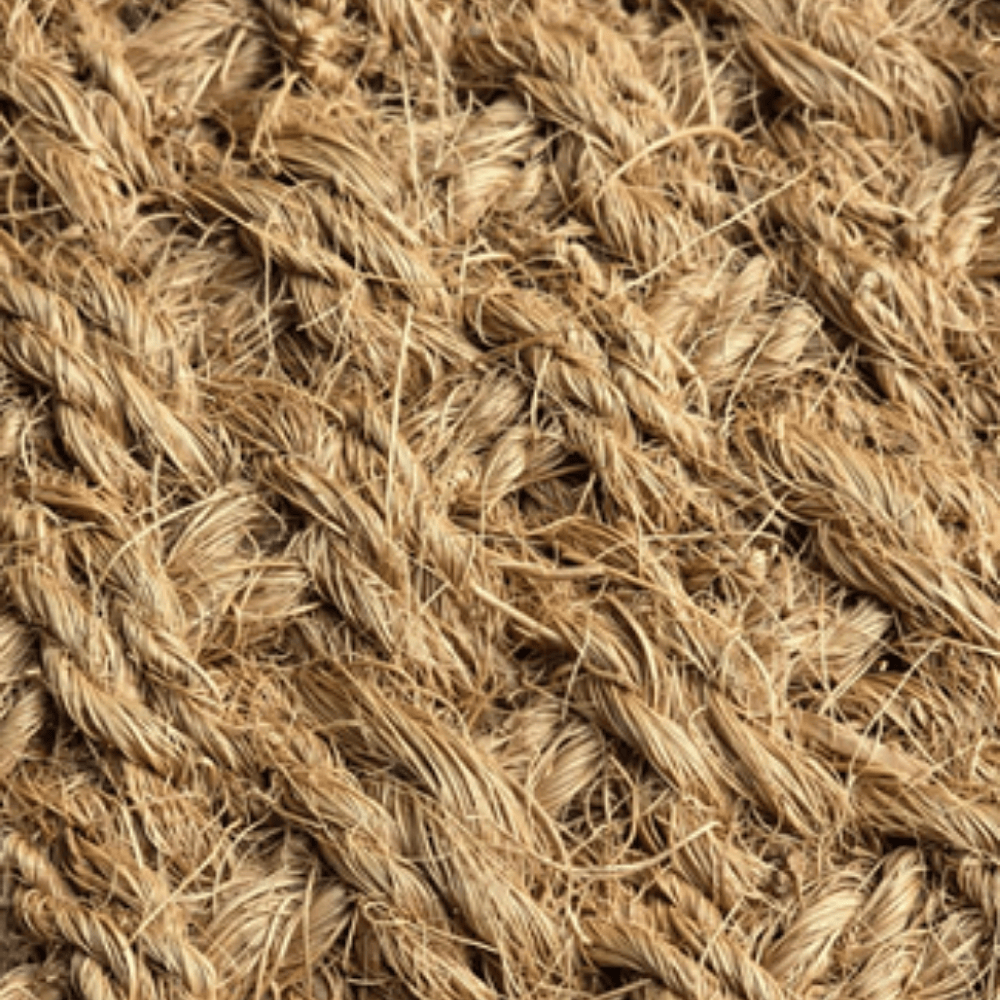
A quote for decorticated hemp fiber can look straightforward until the material reaches a production line.
Two suppliers may both describe their product as “industrial hemp fiber,” yet the fiber length, residual hurd, moisture content, cleanliness, and processing history can be completely different. Those differences affect how material handles in a carding line, composite application, insulation product, nonwoven process, or specialty manufacturing environment.
That is why price alone is not a useful buying standard. A lower cost per pound can become the more expensive option if the material arrives with inconsistent fiber length, excessive woody content, or moisture that creates storage and handling problems. The better starting point is to understand what the application requires, then ask the supplier to show how the offered fiber matches it.
Industrial hemp is especially valuable because one stalk can produce multiple usable material streams. The outer bast fiber can serve applications that need tensile strength, flexibility, or reinforcement, while the woody inner core is used for products that need bulk, absorbency, or insulation. Pure Industrial’s overview of industrial hemp processing explains how those materials are separated and prepared after harvest.
Fiber length should match the process
Staple length is one of the first details a manufacturer should request because it affects whether the material fits the intended process.
Longer fiber is generally more relevant for applications that depend on alignment, carding, spinning, or textile-style processing. Shorter technical fiber can make more sense for nonwoven mats, molded products, pulp, insulation, and other applications where the material does not need to behave like yarn.
There is no universal “best” fiber length. The right range depends on the equipment, the finished product, and the degree of refinement the process requires. A material that works well in a molded composite may not be appropriate for a line that needs cleaner, longer, more uniform fiber.
That is why the first supplier conversation should be about the job the material needs to perform. A buyer sourcing material for a technical nonwoven should not evaluate fiber the same way as a manufacturer preparing feedstock for a textile or carding process. Knowing the application first makes the rest of the specification sheet easier to interpret.
Hurd content affects consistency
Hurd is the woody inner core of the hemp stalk. During decortication, processors separate that core from the outer bast fiber, but the separation is not always complete.
Some residual hurd may be acceptable for certain industrial applications. In others, it can create inconsistency, add unnecessary weight, affect surface quality, or reduce the usable fiber yield. The acceptable amount depends on what the material will become.
For a manufacturer working with composites, nonwovens, insulation, or molded products, the question is not whether every trace of hurd has been removed. It is whether the supplied material is consistent with the requirements of the process. A buyer should ask how the supplier measures residual hurd, what grade is being offered, and whether the same level of consistency can be maintained across future lots.
That distinction matters because industrial hemp is not a single commodity material. The quality of decortication, cleaning, and sorting determines whether the resulting fiber is suited to a specific use or simply sold under a broad label.
Moisture and storage conditions matter more than they seem
Moisture content can affect both what a buyer is paying for and how the fiber performs after delivery.
If fiber arrives outside the agreed moisture range, it may create avoidable handling issues in storage or production. Depending on the application, excess moisture can contribute to clumping, inconsistent flow, added weight, or concerns about material condition during transit and storage.
A useful specification sheet should identify the expected moisture range and the packaging approach used to protect the material. For larger orders, it is reasonable to establish how incoming material will be checked, especially when the fiber is destined for a process that depends on consistency.
This is not about making a straightforward purchase unnecessarily complicated. It is about avoiding a situation where the buyer discovers after delivery that the material does not match the expected condition, handling characteristics, or usable yield.
Processing history helps explain the finished material
The quality of hemp fiber begins before it reaches the decorticator.
Retting is the process that helps loosen the connection between the bast fiber and the woody inner core of the stalk. Decortication then mechanically separates those materials into fiber and hurd. The timing and consistency of those steps can affect fiber cleanliness, length, color, and how the material performs downstream.
A supplier should be able to explain the material grade, the intended applications, and the general processing approach used to prepare it. That context helps a manufacturer understand whether the fiber is technical-grade material for a bulk industrial use, a more refined product, or a material intended for a specialized process.
For a broader breakdown of how fiber and hurd serve different roles after processing, see Pure Industrial’s guide to hemp fiber and hurd. The two materials come from the same stalk, but they solve very different material problems.
Documentation protects both the buyer and the supplier
A specification sheet should do more than attach a few numbers to a quote. It should create a shared understanding of the material being purchased.
Before committing to a larger order, manufacturers should request a representative sample and compare it with the actual requirements of the process. When the application is especially sensitive or the order is substantial, independent testing can provide another level of confidence. Institutions such as the Wilson College of Textiles at NC State work with fiber measurement and material-performance research that can help inform a more technical evaluation.
The most important details are usually straightforward: expected fiber-length range, residual hurd content, moisture range, material grade, intended application, sample availability, and lot consistency. A supplier who can speak clearly to those points is giving the buyer something more useful than a generic material quote.
Choosing hemp fiber with the end use in mind
The strongest material decision starts with the finished product, not the broadest possible description of the raw material.
A manufacturer may be sourcing fiber for a composite, nonwoven, insulation product, molded component, specialty paper application, or another industrial use. Each of those applications places different demands on the material. The right hemp fiber is the one that fits the equipment, process, and product requirements without creating unnecessary variability downstream.
Pure Industrial works with industrial hemp materials from the Shenandoah Valley, including hemp fiber and hurd for manufacturers, builders, and material-development teams. If you are evaluating material for a specific use, contact the Pure Industrial materials team with the application, anticipated volume, and the specifications that matter to your process.