
How Hemp Materials Are Being Used in Construction — and Why Builders Are Paying Attention
Hemp is no longer just a crop conversation — it’s a building materials conversation.
Across insulation, wall systems, panels, and interior finishes, hemp-based materials are appearing on real job sites for a simple reason: they solve problems that conventional materials struggle with. Moisture management, thermal comfort, carbon footprint, and indoor air quality are all areas where hemp materials perform differently — and often better — than standard options.
But “hemp construction” isn’t a single material or system. Different parts of the plant serve very different purposes, and understanding that distinction is what separates successful projects from frustration.
The most important distinction: fiber vs. hurd
Every hemp construction material begins with one of two parts of the plant.
Hemp hurd, also called shiv, is the woody inner core of the stalk. In construction, hurd is used primarily in hemp-lime systems, pre-cast hemp blocks, and loose-fill or panelized insulation. It’s lightweight, porous, and excellent at managing air and moisture — but it is not structural on its own in most assemblies.
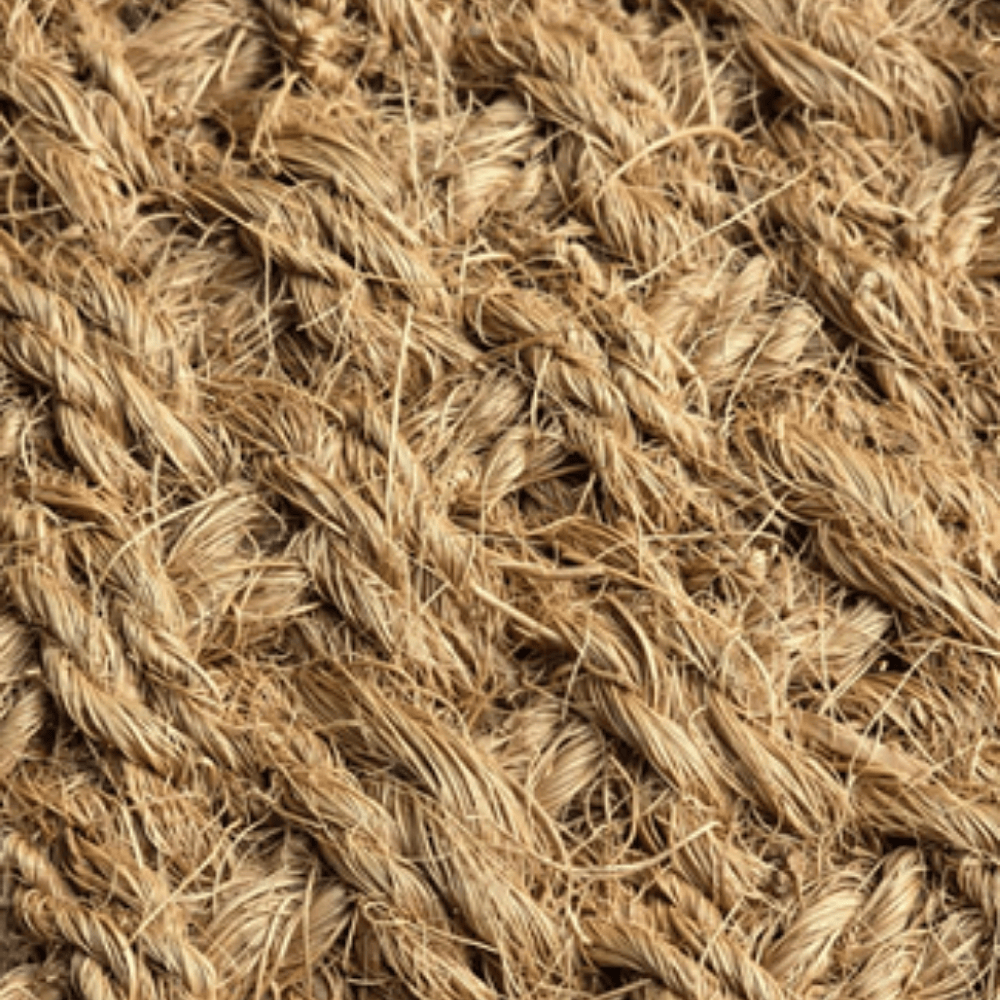
Hemp bast fiber is the strong outer bark of the plant. This is what’s used in non-woven insulation batts, acoustic panels, and biocomposites. Fiber-based products are typically dry-installed and handled much like conventional insulation, but without fiberglass irritation or added chemical binders.
Some newer systems use whole stalks — hemp or grass — to create engineered structural panels that replace OSB or plywood in wall sheathing, roof decking, or subflooring. These products behave more like engineered wood than insulation and are designed to carry load.
Understanding which part of the plant is being used — and why — is foundational to using hemp materials correctly.
Hemp-lime (hempcrete): what it is — and what it isn’t
Hemp-lime, often referred to as hempcrete, is a biocomposite made from hemp hurd, water, and a lime-based binder. It’s most commonly used as wall infill, insulation, or part of a building envelope.
What it is not: a foundation material or a traditional load-bearing wall. Most hemp-lime systems rely on timber or steel framing for structure.
Where hemp-lime excels is not compressive strength — it’s durability, comfort, and moisture performance over time.
Why builders care about “breathability”
One of the most common terms used in hemp construction is breathable. What that really means is hygroscopic.
Hemp-based materials naturally absorb humidity when indoor air is moist and release it when conditions dry out. This passive moisture regulation helps prevent condensation from forming inside walls — a primary cause of mold and rot in conventional assemblies.
Unlike modern wall systems that rely heavily on plastic vapor barriers, hemp assemblies are designed to manage moisture through vapor-permeable layers, typically finished with lime plaster or mineral coatings.
Thermal performance isn’t just about R-value
On paper, hemp insulation products post solid numbers. Hemp wool insulation averages around R-3.7 per inch, while hemp-lime blocks land closer to R-2.8 per inch.
But thermal comfort isn’t determined by R-value alone.
Hemp materials have high thermal inertia, also known as phase shift. They absorb heat during the day and release it slowly over time — often with delays ranging from several hours to a full day. In real buildings, this results in more stable interior temperatures, reduced HVAC cycling, and fewer hot-cold swings, even when nominal R-values appear similar to conventional materials.
This is why many hemp buildings simply feel more comfortable.
Fire resistance (without the myths)
Hemp materials are often described as fire resistant — not fireproof.
In fire conditions, hemp-lime tends to char rather than flame, while lime binders create a mineralized protective layer. Fire ratings such as one- or two-hour assemblies are based on full wall systems tested under standards like ASTM E119, not on raw materials alone. That distinction matters when evaluating performance claims.
Acoustic performance: an underrated benefit
Because hemp materials are fibrous and porous, they absorb sound extremely well. This makes them well suited for interior partitions, multi-family housing, studios, and commercial spaces where noise control matters.
Sound reduction ratings approaching 45 decibels are commonly cited depending on the assembly, placing hemp materials on par with — or ahead of — conventional acoustic solutions.
Hemp-based wood alternatives
Some hemp construction products move beyond insulation entirely.
HempWood, for example, is a lumber substitute made from compressed hemp fiber and a plant-based adhesive. It’s used for flooring, cabinetry, and furniture, and is rated harder than hickory, making it suitable for high-wear interior applications.
Engineered hemp or grass panels are also being developed to replace plywood and OSB in structural applications like sheathing, roof decking, and subflooring. These products aim to deliver structural performance with significantly lower embodied carbon.
Carbon matters — and hemp moves fast
Hemp reaches maturity in roughly 120 days and can sequester approximately nine tons of CO₂ per acre per harvest. When that biomass is used in construction, the carbon remains locked into walls, floors, and insulation for the life of the building.
In some lifecycle assessments, hemp materials store more carbon than they emit during production — which is why hemp construction is often described as carbon-negative when evaluated over time.
Important realities builders should understand
Hemp construction works best when expectations are clear.
Hemp-lime is not a substitute for structural concrete. Most systems still require framing. Vapor-impermeable paints and finishes can trap moisture if misused. Cast-in-place hemp-lime requires curing time, while pre-cast blocks and panels are often chosen to accelerate schedules.
Understanding these constraints is what turns hemp construction from experimental into reliable.
Is it legal to build with hemp materials?
Yes — and this has changed recently.
The International Residential Code now includes Appendix BL, which provides a formal framework for hemp-lime construction. In January 2026, Virginia adopted this appendix, meaning hemp-lime is now a codified material rather than an alternative method requiring special approval. That shift makes hemp construction easier for builders, inspectors, and permitting offices alike.
Why material sourcing matters
Construction uses hemp materials at scale — walls, insulation systems, and panels — which means consistency and supply reliability matter just as much as performance.
Pure Industrial supplies domestically sourced hemp hurd and fiber for construction applications, supporting hemp-lime blocks, insulation systems, acoustic materials, and other building products. Reliable supply chains are what turn hemp construction from a concept into a viable building option.
The big takeaway
Hemp construction isn’t about replacing every material — it’s about using the right part of the plant in the right place.
- Hurd for insulation and envelopes
- Fiber for batts, acoustics, and composites.
- Engineered panels where structure is required.
When used correctly, hemp materials create buildings that are more comfortable, healthier to live in, quieter, lower-carbon, and built to last. As codes evolve and supply chains mature, hemp is moving from experimental to practical — one wall at a time.