
Hempcrete vs Steel Frame Construction: Why It’s Not a Competition
When people begin exploring alternative building methods, one of the most common questions is whether hempcrete is better than steel framing. At first glance, it seems like a direct comparison, but in reality, these two materials serve completely different purposes within a building system.
Understanding how they work together—not against each other—is key to seeing why hempcrete insulation is gaining traction in modern construction, especially as more companies like Pure Shenandoah begin expanding into industrial hemp applications.
Understanding the Role of Steel vs Hempcrete
Steel framing is designed for structural performance. It provides the strength, load-bearing capacity, and long-term durability that buildings rely on. It’s one of the most widely used materials in commercial construction for a reason.
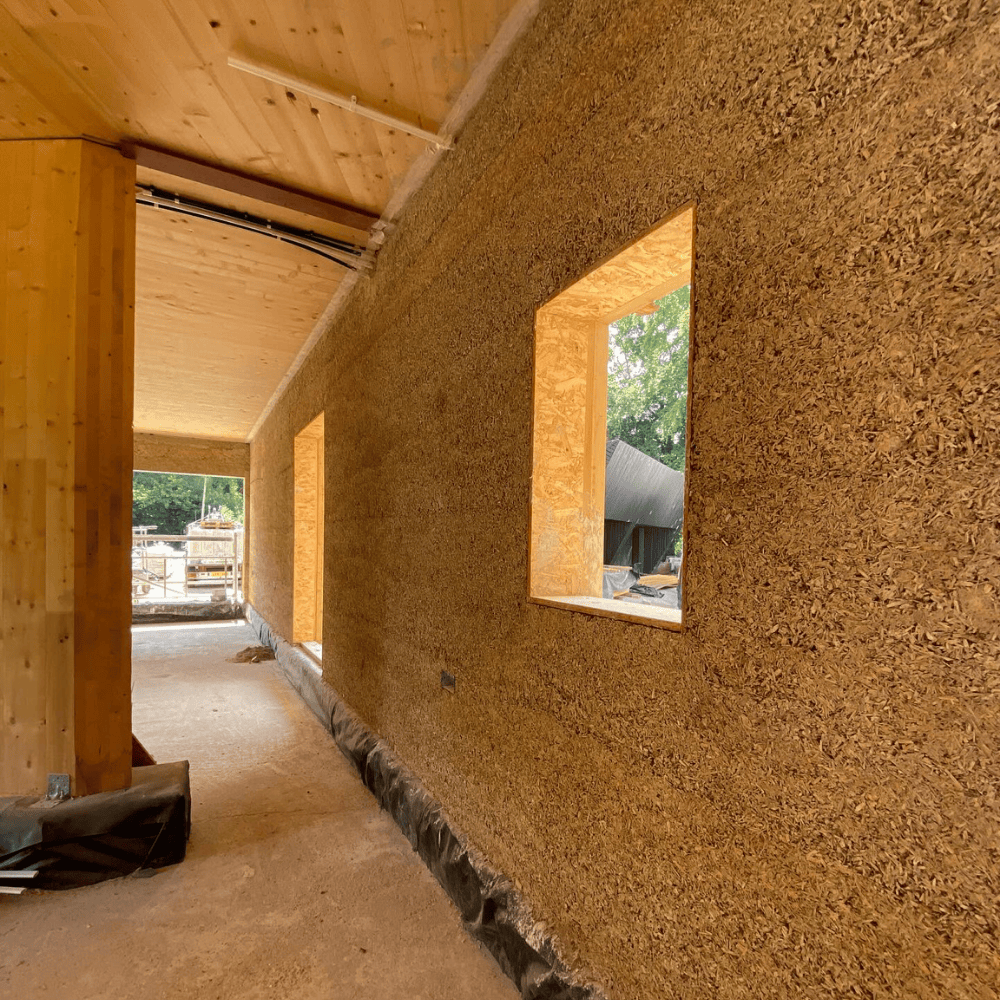
Hempcrete, however, is not structural. Instead, it acts as an infill material that surrounds the frame and creates the building envelope. This distinction is critical, because it shifts the conversation from “which is better” to “how do these materials work together.”
When building with hempcrete, the goal isn’t to replace steel, but to enhance the performance of the structure around it.
Why Hempcrete Insulation Solves a Major Problem in Steel Buildings
One of the biggest challenges with steel construction is thermal bridging. Steel conducts heat extremely efficiently, which allows outside temperatures to transfer quickly into the building. This can make interiors harder to regulate and significantly increase energy demand.
Hempcrete insulation addresses this issue in a completely different way than traditional materials. Rather than simply blocking heat, it slows the movement of heat through a property known as thermal inertia. This allows buildings to maintain more stable interior temperatures throughout the day.
Instead of rapid temperature swings, the building experiences gradual shifts, which reduces reliance on heating and cooling systems and improves overall energy efficiency.
Moisture Control and Breathability in Modern Construction
Another limitation of conventional insulation systems is how they handle moisture. Many modern wall assemblies are tightly sealed, which can trap moisture inside the structure over time. This creates conditions where mold, rot, or material degradation can develop.
Hempcrete behaves differently because it is naturally breathable. It can absorb and release moisture depending on environmental conditions, helping regulate humidity within the wall system instead of trapping it.
This ability to balance moisture is one of the lesser-known hempcrete benefits, but it plays a major role in improving long-term durability and indoor air quality.
Fire Resistance and Material Safety
Fire performance is another important factor when evaluating building materials. While steel itself does not burn, the materials surrounding it often do. Traditional insulation and synthetic components can ignite or release harmful gases when exposed to high temperatures.
Hempcrete provides an added layer of protection due to its lime-based composition. It is naturally resistant to fire and does not ignite easily. Instead, it maintains its integrity under high heat conditions, contributing to a safer overall building system.
This makes it particularly valuable in projects where both safety and sustainability are priorities.
Sustainability and Long-Term Impact
As construction continues to evolve, there is increasing focus on how materials impact the environment over time. Steel production remains energy-intensive and contributes significantly to global carbon emissions.
Hemp, by contrast, is a rapidly renewable resource that absorbs carbon dioxide as it grows. When used in construction, that carbon becomes stored within the building itself.
Understanding what hempcrete is used for goes beyond insulation alone. It represents a shift toward materials that not only perform well but also contribute to more sustainable building practices.
Why This Isn’t a Competition
Comparing hempcrete to steel framing misses the bigger picture. These materials are not alternatives to one another—they are complementary components of a more advanced building system.
Steel provides the structural framework. Hempcrete enhances the performance of the building envelope by improving insulation, regulating moisture, and supporting long-term efficiency.
When used together, they create buildings that are more stable, more efficient, and better aligned with the future of construction.
Building Smarter Systems with Hemp
The conversation around hempcrete isn’t about replacing traditional materials entirely. It’s about improving how buildings perform by integrating better solutions where they matter most.
As more builders, developers, and manufacturers explore alternative materials, hempcrete continues to stand out—not as a replacement for structure, but as a powerful upgrade to everything surrounding it.
As Pure Shenandoah continues expanding into industrial hemp applications with Pure Industrial, the focus remains on developing scalable, compliant, and high-performance materials that support the next generation of building.