
Hemp Bedding for Reptiles: A Natural, Low-Dust Substrate Option
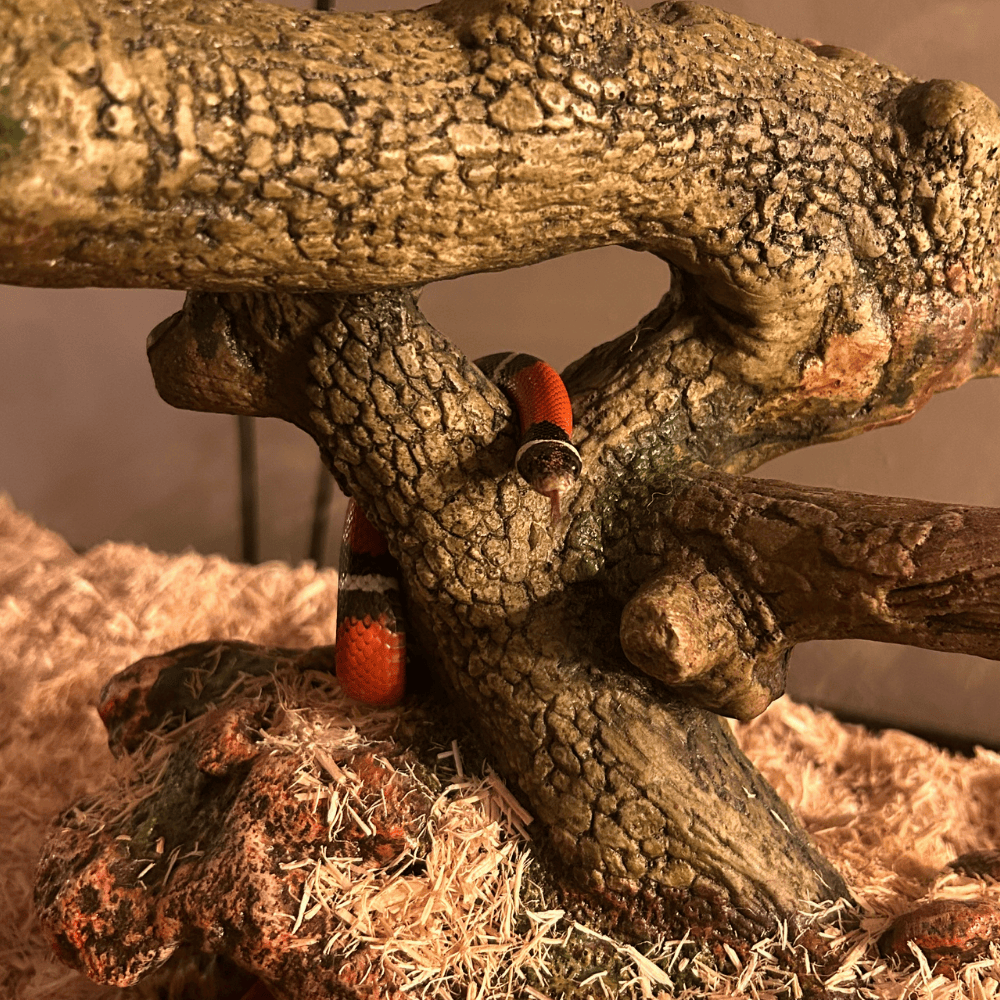
For reptiles, bedding is not decoration. It directly affects humidity levels, temperature stability, cleanliness, and overall enclosure safety.
Inside a glass tank or terrarium, small environmental shifts matter. Moisture that pools too long can lead to mold. Substrates that stay damp on the surface can promote bacterial growth. Dust can linger in enclosed air. And synthetic liners can create their own risks.
That is why hemp bedding for reptiles is gaining attention among owners who want a natural substrate that behaves predictably inside controlled environments.
Understanding when it works — and when it does not — is key.
What hemp bedding is and the formats you’ll see
Hemp reptile bedding typically comes in two primary forms.
The first is loose hemp substrate made from hemp hurd, the woody inner core of the industrial hemp stalk. This mulch-like material is processed into small, consistent particles suitable for enclosure floors. It works particularly well for ground-dwelling and burrowing reptiles that require moisture control without saturation.
The second format is hemp mats, made from bast fiber pressed into non-woven sheets. These act as terrarium liners or nesting surfaces and provide a natural alternative to synthetic reptile carpet.
Both options are biodegradable and typically free from chemical additives when properly processed.
Moisture control without sogginess
One of the main reasons reptile owners experiment with hemp substrate is moisture management.
Hemp hurd is highly absorbent. It pulls liquid inward rather than allowing it to spread across the surface. That helps prevent standing water while still supporting humidity levels within the enclosure.
For species that require moderate humidity — such as many snakes and tropical lizards — this balance can be useful. The surface remains relatively dry while the lower layers retain moisture, reducing the risk of mold growth and bacterial buildup.
Humidity control in reptile enclosures is not about maximum moisture. It is about stable moisture. Hemp substrate supports that stability when properly maintained.
Thermal consistency inside enclosed tanks
Reptiles regulate body temperature through environmental interaction. They rely on basking areas, cooler zones, and substrate contact to maintain internal balance.
Because hemp bedding contains natural air pockets and does not compact heavily when dry, it helps support stable enclosure temperatures. It does not become muddy when misted, and it does not create cold, wet patches that disrupt thermal gradients.
Consistency in substrate conditions makes it easier for reptiles to move between warm and cool zones effectively.
Low dust in enclosed environments
Glass tanks trap air. That makes dust control especially important.
Properly screened hemp bedding is typically very low in fine particulate matter compared to some wood-based substrates. In a confined terrarium, reduced dust means cleaner glass, less airborne debris, and fewer respiratory irritants for both reptiles and owners during cleaning.
While no substrate is completely dust-free, high-quality hemp bedding is known for producing minimal airborne particles when poured and maintained correctly.
Safety compared to synthetic liners
Many reptile owners use synthetic carpet-style liners because they are easy to clean. However, synthetic materials do not biodegrade if accidentally ingested, and frayed fibers can pose entanglement risks.
Hemp fiber mats provide a natural alternative. Because they are plant-based and biodegradable, they present fewer long-term risks if small fibers are chewed or accidentally consumed. They also do not trap bacteria in the same way some synthetic fabrics can over time.
That said, enclosure hygiene still matters. Any substrate requires regular inspection and replacement.
Species considerations
Hemp bedding is not universal for every reptile.
It works well for many snakes, lizards, and geckos that benefit from moderate humidity and dry surface conditions. However, turtles and tortoises are often advised against loose hemp substrate due to ingestion risk and specific humidity needs.
Choosing substrate should always be species-specific. Hemp is a tool — not a one-size-fits-all solution.
Loose substrate or mats?
The decision between loose hemp bedding and hemp mats depends on enclosure design and animal behavior.
Loose substrate works well for burrowing species or enclosures that rely on humidity layering. It allows natural digging behavior and moisture buffering within lower layers.
Mats work well for minimalist setups, quarantine tanks, or owners who prefer simple cleanup with minimal loose material.
Some owners use both, layering loose substrate in hide areas and mats in feeding zones.
Small-bag sizing that fits reptile owners
Unlike horse barns, reptile owners do not need pallet quantities. They need clean, consistent small-format packaging sized for terrariums.
Hemp reptile bedding packaged appropriately reduces storage waste and ensures freshness. As domestic hemp processing expands, sourcing from local producers becomes more practical.
Pure Industrial supplies hemp bedding using Virginia-grown hemp, offering formats appropriate for specialty pet use as well as agricultural scale applications.
Cleanup and disposal
Used hemp reptile bedding breaks down more quickly than many wood-based substrates. Because it is biodegradable, it composts easily when free of waste contamination.
For environmentally conscious reptile owners, this reduces landfill contribution compared to synthetic liners and non-compostable substrates.
The takeaway
For the right species, hemp bedding offers reliable moisture control, stable thermal conditions, low dust, and biodegradable safety.
It is not a universal substrate. But when matched correctly to species and enclosure design, hemp reptile bedding provides a predictable, natural alternative to synthetic or heavily processed options.
As domestic hemp supply chains strengthen — including production in Virginia — reptile owners have easier access to consistent, locally processed substrate designed for real enclosures, not just farm stalls.