
Hemp Bedding for Chickens: How to Use the Deep Litter Method
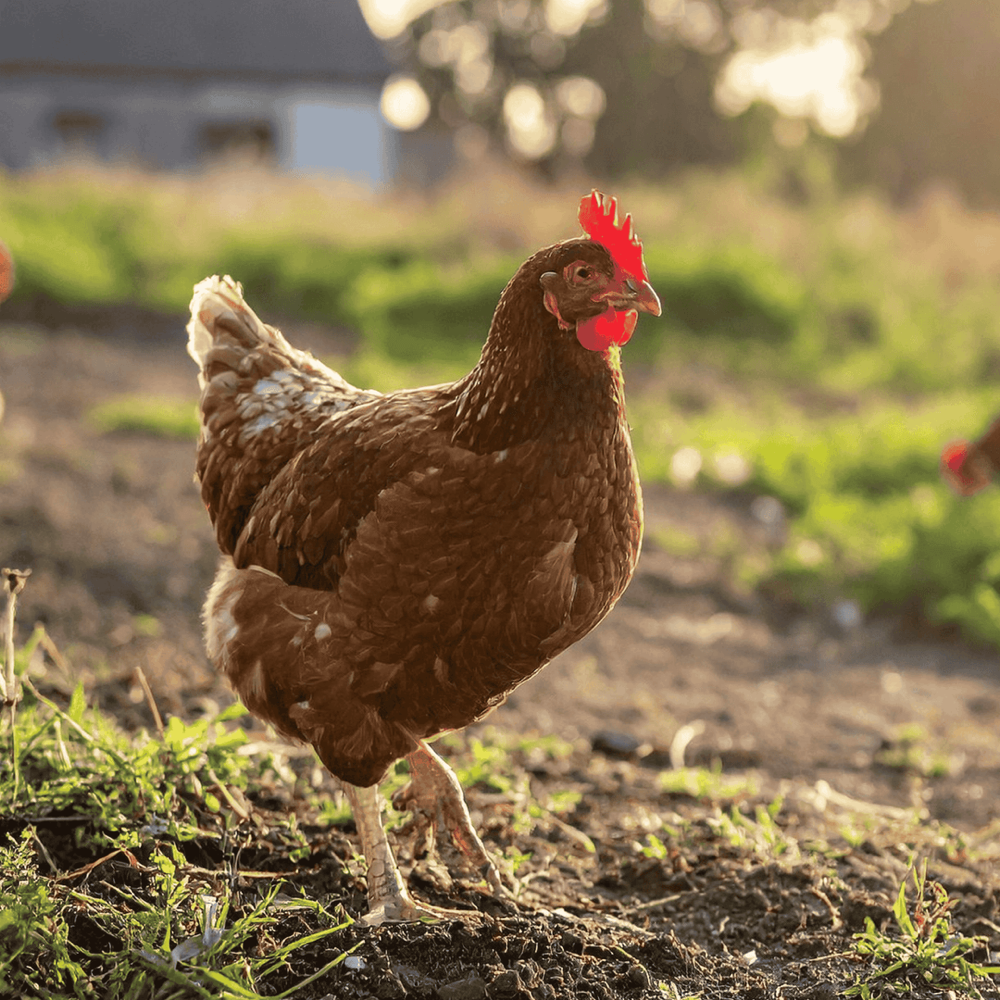
The deep litter method is a chicken-coop management approach that builds bedding over time instead of removing every layer on a fixed weekly schedule.
With the right bedding, ventilation, flock density, and regular observation, it can reduce the frequency of full cleanouts and create a more manageable coop floor. It is not a “set it and forget it” system. The goal is to keep litter dry enough to manage, address concentrated wet areas, and avoid letting odor or moisture build up unnoticed.
Hemp bedding can be a practical option for this system because it is made from hemp hurd, the woody inner portion of the industrial hemp stalk. But bedding alone does not make deep litter work. Airflow, water management, droppings under roosts, coop condition, and routine maintenance still matter.
What Is the Deep Litter Method?
A deep litter floor is managed in layers. Start with a clean, dry coop and a base layer of bedding. As litter accumulates, remove concentrated wet spots and add fresh material as needed rather than stripping the entire floor immediately.
The right litter depth depends on the coop, flock size, climate, bedding material, and how the birds use the space. A small backyard coop and a larger farm building will not have the same maintenance needs.
University of Minnesota Extension recommends managing manure and providing ventilation to control moisture in chicken coops. Its chicken-coop cold-weather guidance is a useful reminder that moisture control and fresh air remain important even when cold-weather conditions make a coop feel more enclosed.
Why Hemp Bedding Can Work Well in a Coop
Chicken keepers generally look for bedding that is manageable to handle, absorbs moisture, has appropriate dust levels for their setting, and can be removed or composted according to local practices.
Hemp hurd is widely used in animal-bedding applications because its texture and structure make it suitable for bedding systems in coops, stalls, and enclosures. It can be a useful material for keepers who want a plant-based bedding option that fits a regular spot-cleaning routine.
Pure Industrial’s hemp animal bedding is made from hemp hurd and is available for poultry, small animals, reptiles, and larger livestock applications.
Still, no bedding material replaces good coop management. If a coop stays wet, smells sharply of ammonia, or has standing water, investigate the cause. A roof leak, poor ventilation, overcrowding, poor drainage, or a waterer that spills repeatedly can overwhelm any bedding choice.
How to Start a Hemp Deep Litter Bed
Start with a coop that is clean and dry. Remove old wet bedding, check for leaks, and correct drainage or waterer problems before adding fresh material.
Add a dry base layer of hemp bedding that fits the coop and flock. There is no one prescribed starting depth that works for every setup. A keeper should be able to observe how the birds move through the coop, where droppings collect, and whether the surface remains dry enough to manage.
The most important areas to watch are usually:
- Under roosts
- Around waterers
- Near doors and entrances
- Corners with limited airflow
- Areas where birds consistently scratch, rest, or gather
Spot-clean wet or heavily soiled material rather than covering a persistent problem with more bedding. Fresh material can help maintain the surface, but it should not be used to hide a leak, water spill, or ongoing moisture issue.
If parts of the litter become compacted, loosen or turn those areas as appropriate for the coop and flock. The goal is a usable, reasonably dry floor surface, not constant disturbance.
Hemp Bedding vs. Pine Shavings
Pine shavings remain a common chicken-coop bedding option, and both hemp bedding and pine shavings can work when the coop is dry, ventilated, and maintained.
The useful comparison is not a blanket claim that one bedding material always wins. Consider local availability, cost, absorbency, dust, composting plans, ease of handling, flock conditions, and how the material performs in your specific coop.
A small backyard flock, a humid summer coop, and a larger poultry building create different conditions. The best option is the one that helps you maintain a dry, manageable coop floor without creating more work or masking underlying moisture problems.
Signs Your Deep Litter System Needs Attention
A deep litter system needs adjustment when you notice:
- A persistent sharp ammonia smell
- Wet bedding that returns quickly after fresh material is added
- Leaks, condensation, or poor airflow
- Compacted bedding around waterers or under roosts
- Birds avoiding a particular part of the coop
Those signs are a reason to address the underlying condition, not simply add more bedding.
Choosing Bedding for Your Flock
The right bedding choice depends on the birds, coop design, climate, management routine, and local disposal plan. Hemp bedding can be a practical fit for chicken keepers who want a hemp-derived animal-bedding material and are prepared to manage the coop conditions that make a deep litter system work.
Explore Pure Industrial’s hemp animal bedding for poultry and other animal applications. You can also visit the Research library for more industrial hemp material information or contact Pure Industrial with bulk-bedding questions.